
Menu
Concrete Repair Delays Can Be Expensive in Paterson
Concrete Repair Paterson
When property owners delay concrete repairs in Paterson, NJ, they create a series of escalating problems that increase both the extent of damage and the expense of repairs over time. The initial appearance of minor cracks on the surface of the concrete or structural problems will eventually develop into significant damage to the structure that requires complete rebuilding and restoration rather than a simple maintenance project. If you understand how the escalation of costs related to delayed concrete repairs can help you determine when it is time to allocate funds for necessary maintenance, and when to act in terms of time and money for that maintenance. The extreme freeze-thaw cycles experienced by Paterson also contribute to the rapid development of structural problems, so prompt action to address those problems is even more important to be able to limit future concrete repair costs. Property owners also benefit from the proactive approach to maintaining their properties by protecting the value of their property and reducing the potential for serious injury and lawsuits resulting from the failure to maintain their properties.
The Progressive Nature of Concrete Damage
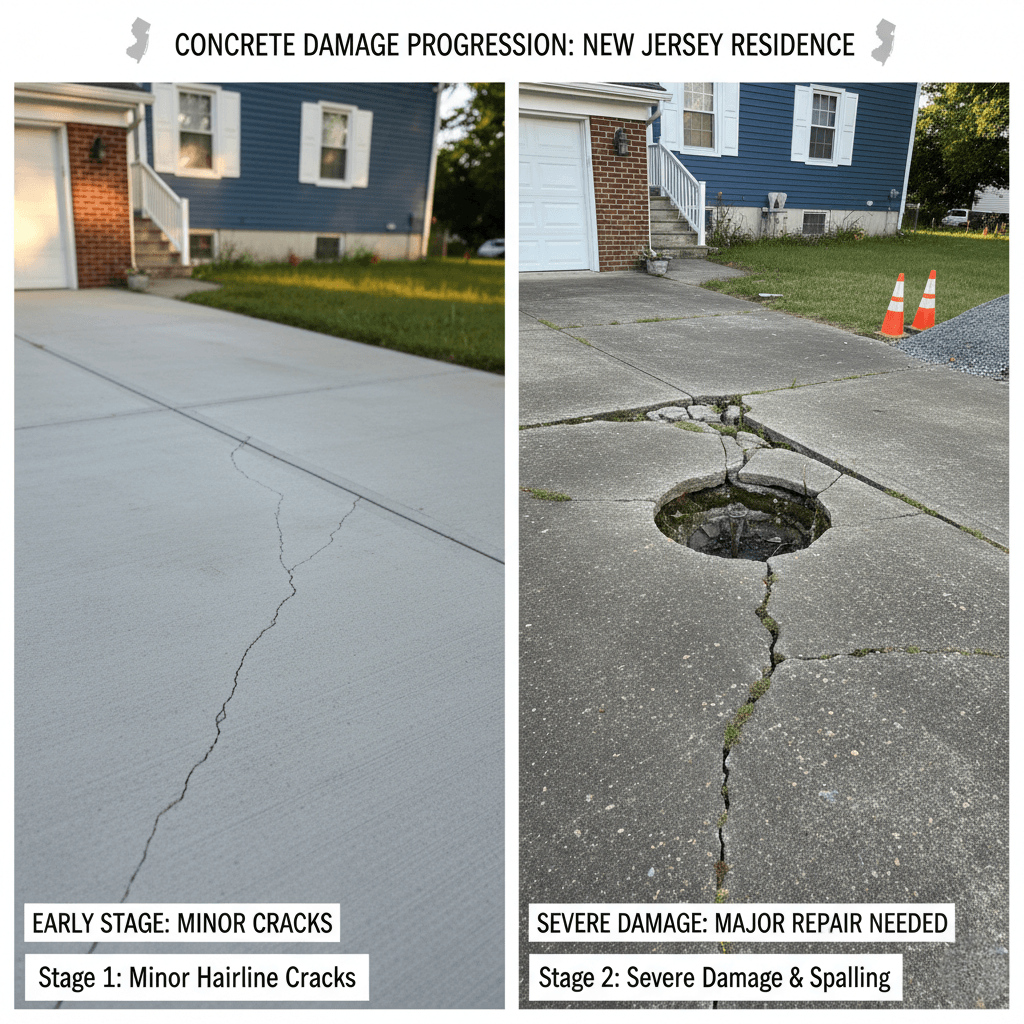
Damage to concrete does follow an expected sequence of progression, from which the longer it goes unaddressed, the greater the expense to repair as damage becomes increasingly severe; however, the sooner it is addressed, the less invasive the repair will be. Minor cracks in the concrete allow for the introduction of moisture into the concrete system, leading to freeze-thaw damage, spalling, etc., and ultimately to the point where the structure is severely compromised to the point of requiring total replacement. Further, the surface scaling of concrete and small imperfections in the surface of the concrete provide avenues for moisture to penetrate the concrete matrix and accelerate the deterioration process throughout the entire length of the concrete system. Assessments made by trained professionals will identify the early stages of damage at times when repairs are still cost-effective and minimally invasive. In addition, the knowledge of damage progression allows property owners to understand when it is imperative to take immediate action to prevent further catastrophic failures and related costs.
Freeze-Thaw Damage Process
The damage caused by water entering the concrete through cracks is the beginning of the rapid degradation of the concrete in Paterson’s diverse climate. When the temperature drops below freezing, the water that has entered the concrete expands by approximately 9%, creating internal pressure that enlarges any existing cracks and also creates new cracks. Each successive freeze-thaw cycle compounds previous damage, with the cracks continuing to grow more extensive. Professional intervention at the earliest possible stage will stop this process and prevent the continued degradation of the structure. Further, sealing of the surface of the concrete will prevent water from entering the concrete and thus prevent the possibility of freeze-thaw damage during the winter months.
Escalation of Repairs Due to Delays in Repair and Associated Cost
As with most things, the cost of repairing concrete escalates as the damage progresses from cosmetic (surface) issues to structural issues that will require more complex and expensive repairs. For example, the cost to repair a crack in a driveway may range from $250 to $800; however, if those cracks are allowed to continue, the cost of repairing the crack(s) may escalate to replace the foundation, which may exceed $20,000. Additionally, the secondary damage to the surrounding area created by water entering the concrete, such as mold, structural instability, etc., increases the complexity of the repairs and the overall cost of the repairs. Professional contractors explain that timely repairs usually cost 70-80% less than delays in repair, therefore, allowing advanced damage to progress. In addition, many insurance policies do not cover damage that was allowed to occur due to a lack of maintenance; therefore, property owners are liable for all damages incurred.
Secondary Damages Created by Delays in Repair
Delays in repair will create secondary damage to other systems of the building, in addition to the primary issue of the damaged concrete. Water entering the building through damaged concrete will cause issues with the foundation of the building, lead to flooding of basements, create mold issues, and create instability in the structure of the building that requires repairs to various trades. As previously stated, the instability of the structure of the building will affect the surrounding concrete, creating additional damage that will require additional repairs, rather than just repairing the initial area of damage. Professional assessments will identify these interrelated issues and develop a comprehensive plan to repair the underlying causes of the damage, rather than simply repairing the symptoms. In addition, delaying the repairs will create the potential for cascading failures that may affect the electrical, plumbing, and finishing work inside the building.
Liability and Safety Risks of Delaying Concrete Repairs
Delaying the repairs of damaged concrete will create significant safety risks to property owners, which can lead to liability and potentially costly litigation. Damaged sidewalks, uneven walking surfaces, and unstable stairs can create hazardous conditions that may result in serious injuries and costly lawsuits. In addition, structural instability caused by delaying foundation repairs may result in a violation of local building codes, requiring immediate repair and/or condemnation of the building. Professional documentation of safety hazards will provide evidence of the need for repairs and establish a timeline for completion. Finally, completing the repairs promptly will indicate that the owner has taken reasonable care to maintain the building, which will likely favorably influence the outcome of any litigation that may arise from accidents occurring on the premises.
Local Building Codes and Regulatory Actions
Violations of local building codes resulting from delaying repairs can result in enforcement actions, fines, and restriction of occupancy of the building, which will greatly decrease the value and use of the building. Local authorities have the authority to declare a building unfit for occupancy and/or require immediate repairs when the structural integrity of the building is compromised. In addition, building code violations must be disclosed upon sale of the building, which can affect marketability and sale price. Professional contractors will ensure that all repairs meet current building codes and provide documentation to support compliance. Finally, proactively maintaining the building will eliminate the potential for code violations that would require emergency repairs at great expense.
Impact on Property Values and Market Appeal
Failing to perform maintenance on a damaged concrete slab will significantly decrease the value of the property and its market appeal to potential buyers and renters. Appraisers of property will reduce the value of the property based on the presence of structural issues that may indicate that there will be ongoing maintenance and safety concerns. In addition, the appearance of damaged concrete will create a poor first impression on potential buyers and will limit their negotiating position in a transaction. Maintaining the property in good condition will preserve its value and also enable the property to compete effectively in the local real estate market. In addition, well-maintained properties will receive higher sale prices and will attract quality renters who expect to rent from a landlord who maintains his/her property professionally.
Insurance and Financing Implications
Insurance companies may deny claims or cancel policies if damage to the building occurred due to deferred maintenance, as opposed to some catastrophic event. Lenders of mortgages may require that buildings meet certain safety and structural standards that are compromised by delaying repairs. In addition, home inspectors may report on the deferred maintenance that is evident in the damaged concrete, which can either kill a sale transaction or necessitate lengthy negotiations to resolve the issues. Professional documentation of maintenance activities will support insurance claims and demonstrate to lenders and insurers that the property owner has been a responsible steward of the property. Finally, preventive maintenance may qualify for insurance discounts that will offset the costs of repairs over time.
Timing Windows and Seasonal Weather Considerations
Weather conditions in Paterson create important windows of opportunity for concrete repairs that can affect the success rate and the long-term performance of the repairs. For example, spring repairs will allow sufficient time for materials to cure before summer heat and winter freeze-thaw cycles affect the repaired areas. Fall repairs will protect the repaired areas from winter damage, but must be carefully timed so that the materials will have sufficient time to cure before freezing temperatures arrive. Professional contractors will monitor the weather forecast and schedule repairs accordingly to maximize the performance of the materials used in the repairs. Finally, emergency repairs in the winter months or during peak construction seasons typically cost 50-100% more than scheduled maintenance because of urgency premiums and limited availability of contractors. Emergency repairs may also require temporary repairs, which will add to the total cost of the project when permanent repairs are finally made.
Premium Pricing for Emergency Repairs and Limited Contractor Availability
Contractors will charge premium pricing for emergency services, and the cost of materials will also increase during peak demand periods. Emergency repairs may also require temporary repairs to stabilize the damaged area, which will add to the total cost of the project when permanent repairs are finally completed. Scheduling maintenance activities during non-peak periods will save money and provide sufficient time for properly performing the repairs. Preventive maintenance will also eliminate the need for emergency repairs that may disrupt the normal operation of the property and may require the occupants to find alternative housing arrangements.
Maintenance Activities Over the Life Cycle of the Property
Deferring repairs will create ongoing maintenance responsibilities that will require repeated interventions and increased life-cycle costs when compared to timely professional repairs. Well-performed repairs should last 15-25 years; however, delayed repairs may require repeated repairs over a period of 5-10 years. Deferring maintenance will also cause adjacent systems and surfaces to deteriorate at a faster rate, creating widespread problems that will require a comprehensive renovation. Professional contractors will include a warranty with the repairs that will protect against premature failure and provide long-term value to the property. In addition, well-performed repairs will improve the durability of the property and decrease the amount of maintenance required annually.
Preventative Maintenance Programs
Preventive maintenance programs identify and correct minor issues before they become major problems that will require expensive repairs or replacement. Most preventative maintenance programs will cost 10-20% of the cost of reactive maintenance and will provide superior long-term performance. Documented preventative maintenance programs will also support warranty claims and insurance coverage and provide evidence of the property owner’s responsible stewardship of the property. Professional contractors will offer preventative maintenance programs that include regular inspections, minor repairs, and preventative treatments. Preventive maintenance programs will also assist property owners in budgeting for maintenance and avoiding the unexpected expense of major repairs.
Diagnostic Technology
Advances in diagnostic technologies now allow for the early detection of concrete problems prior to them becoming visually apparent or compromising the structural integrity of the building. Technologies such as thermal imaging, ground-penetrating radar, and moisture-detection equipment can detect problems that may not be visible during a visual inspection. Early detection will allow for targeted repairs that address the root cause of the problem, as opposed to treating only the symptoms, and will provide improved long-term performance. Professional contractors utilize advanced diagnostic equipment to accurately specify and estimate the cost of repairs. Additionally, technology-assisted inspections will provide a record of the inspection history that can be referenced in the future to support insurance claims and warranty coverage for professional repairs.
Monitoring Systems and Quality Control Documentation
Professional repair contracts will include quality control documentation and monitoring systems that will track the performance of the repairs and identify potential problems before they become problems. Digital documentation will provide a record of the property’s history that will support future maintenance decisions and warranty claims. In addition, monitoring systems will notify property owners of changes in the condition of the building that may require maintenance prior to damage occurring. Professional contractors will provide ongoing support and monitoring services that will extend the useful life of the repairs and optimize performance. Quality control documentation will also assure potential buyers that the structural integrity of the building is intact.
Economic Benefits of Timely Concrete Repair
Timely repair of damaged concrete will provide significant economic benefits through reduced repair costs, extended life of components, and preservation of property values when compared to delayed maintenance practices. Studies have shown that for every dollar invested in preventative maintenance, three to five dollars will be saved in reactive repairs over the life cycle of the building. In addition, timely repairs will maintain the operational functionality of the building and eliminate disruptions that can affect business operations or resident comfort. Timely maintenance will also preserve warranty coverage and insurance benefits that are lost when repairs are delayed. At Paterson Concrete Works, we stress the importance of timely concrete repair to protect your investment and ensure safety and structural integrity through professional assessments, quality materials, and proven repair methods to address problems before they become costly emergencies.
LATEST POSTS