
Menu
How Weather Impacts Pouring Concrete in Paterson, NJ
Pouring Concrete Paterson
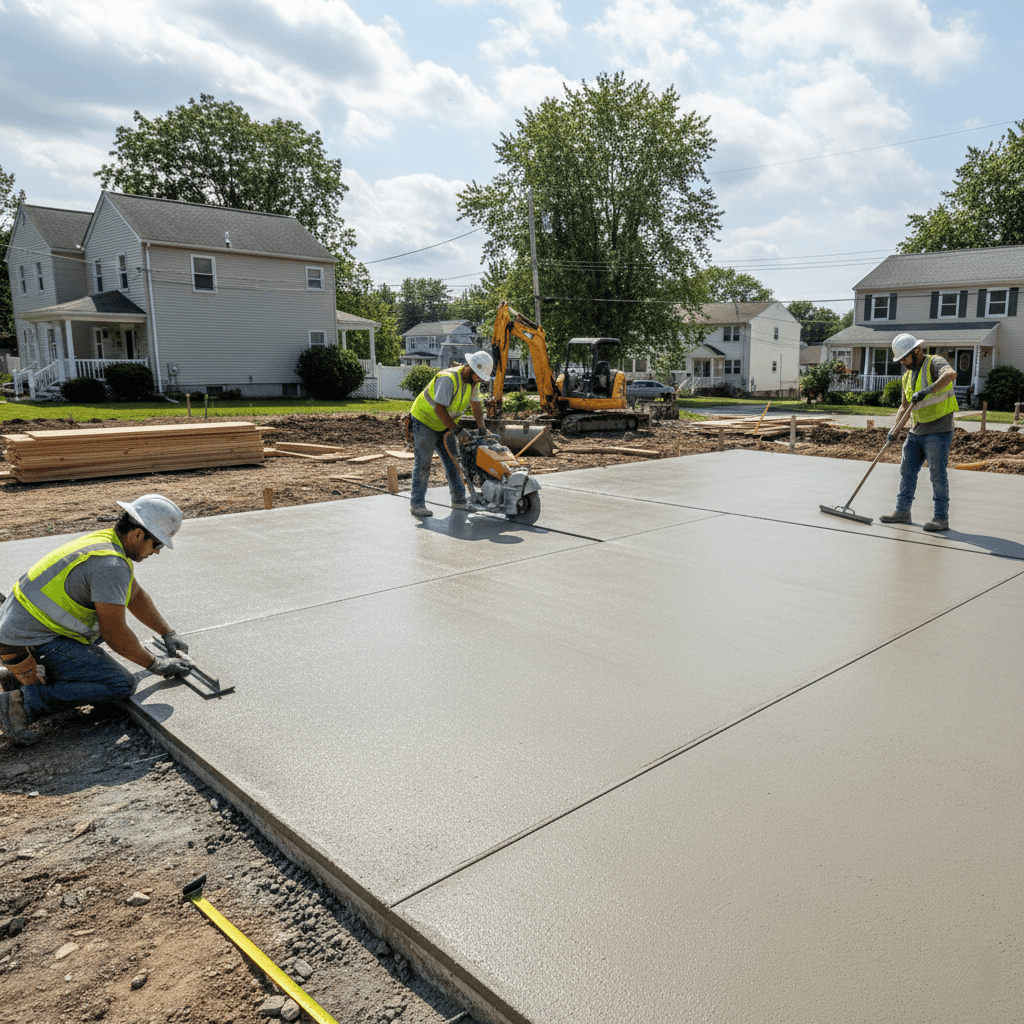
The weather in Paterson, New Jersey, plays a significant role in both concrete placement and curing. Temperature changes, the amount and frequency of rainfall, and humidity can each have an impact on how strong and durable your newly placed concrete will be. Contractors who work at or near historical sites such as the Great Falls are required to closely watch the local weather prior to starting any new concrete projects. With proper planning, it is possible for contractors to achieve positive results with respect to their concrete placements regardless of seasonal weather challenges. By understanding how the weather will potentially impact the completion of a project, contractors will be able to schedule the project accordingly and prepare the materials necessary to complete the project successfully.

Understanding Paterson’s Climate Impacts
Paterson has a wide range of climates, varying from extremely cold winters to very hot and humid summers. As a result of its location in Northern NJ, there are many challenges associated with the annual and daily changes in weather that impact the success of concrete placement. Factors like temperature, humidity, and wind speed can negatively impact the quality of the concrete being placed. The ability to understand the interactions of the environment (seasonally and daily) and the characteristics of fresh concrete is key to placing high-quality concrete.
Challenges in Placing Cold-Weather Concrete
The American Concrete Institute defines cold weather concrete placement as any placement where the air temperature remains below 40°F for more than 72 hours. Any placement made in the area of East Side Park during the winter season requires extra precautions to prevent the newly placed concrete from freezing prior to reaching a strength of 500 psi. In addition to protecting the concrete from freezing for the first 24 hours, all surfaces that contact the concrete during placement must be at a temperature above freezing, which includes the reinforcing steel and formwork.
Methods Used to Protect Concrete from Freezing in Cold Weather
There are several methods used to protect concrete from freezing in cold-weather concrete placements. These include using hot water to mix the concrete, applying heated blankets to the surface of the concrete, and creating a wind break. In addition to accelerating the setting of the concrete, calcium chloride may be added to the mix up to a concentration of 2%. Enclosing large pours of concrete in a heated enclosure will also add to the protection of the concrete in cold weather. If the nighttime temperatures drop below 40°F, the concrete can begin to freeze and be susceptible to cracking and chipping.
Factors Affecting Hot Weather Concrete Placement
Concrete placed in hot weather occurs when the temperature exceeds 100°F. Humidity plays a role in defining what constitutes hot weather as well. During the summer months in the Lambert Castle area, concrete cures at an accelerated rate, which can result in a loss of final strength. In hot weather, the rapid hydration of the cement can produce less 28-day strength than anticipated due to the elevated temperatures. The American Concrete Institute suggests limiting the temperature of the concrete to 95°F during hot weather conditions.
Methods to Manage the Effects of Temperature on Concrete
Concrete can be cooled during hot weather placements by use of chilled water, ice, or refrigerated aggregate. Surface moisture can be maintained during curing with the use of shade structures, mist systems, and damp blankets. Pouring concrete either early in the morning or late in the evening will help avoid the hottest part of the day during the summer months. Reducing the amount of cement in the mix while still meeting the required strength properties will help decrease the amount of heat produced during the hydration of the cement.
Placing Concrete in Rainy Conditions
Although drizzle can benefit concrete curing, especially when followed by dry weather, heavy rainfall during placement is a major challenge for concrete contractors in Paterson. Freshly placed concrete can be protected from excessive moisture damage with tarps or plastic sheeting. During the first 4 to 8 hours after pouring, light rain can be detrimental to the quality of the freshly placed concrete.
Weather Forecasting and Precipitation Planning
When scouting a site before commencement of construction, the contractor can identify areas where water may collect and flow from gutter and downspout locations. When precipitation is forecasted, the contractor should prepare quickly for the placement of concrete, which means the contractor needs fast, strong mixing equipment to place the pour prior to the precipitation impacting the site. The contractor can cover exposed materials and develop a contingency plan to minimize the effect of weather-related delays.
City of Paterson Building Code Requirements
All construction projects in Paterson are subject to enforcement by the City’s Building Inspectors, who are responsible for enforcing the Uniform Construction Code and issuing permits. Plan review fees are equal to 20 percent of the total permit fee, and applicants must certify that all municipal taxes and assessments are paid prior to receiving approval of a permit. The City requires a minimum of 2500 PSI compressive strength for footings and 3000 PSI for foundation walls.
Compliance with Permit Regulations
Permits are required for all structural, electrical, heating and cooling, and plumbing projects to assure compliance with safety regulations. The Planning and Zoning Division reviews construction plans and permit applications for compliance with zoning ordinances. Inclement weather can delay permit approvals and inspections; therefore, contractors need to communicate with City Officials when inclement weather delays the construction schedule.
Monitoring the Weather
Contractors who successfully place high-quality concrete continually monitor the weather conditions throughout the life of each project. By continuously monitoring the temperature of the concrete upon delivery and again 45 to 60 minutes later, the contractor can make any needed adjustments. Digital thermometers allow contractors to continuously monitor the temperature of the concrete during the early stages of curing. Maximum/minimum thermometers are used to monitor the temperature of the curing boxes during extreme weather conditions.
Equipment and Technology
Modern concrete temperature monitoring systems provide continuous and timely data for the contractor to make informed quality control decisions. Wireless sensors continuously monitor the internal temperature of the concrete during the curing process. Weather stations provide the contractor with the ability to predict future weather conditions that could impact scheduled pours. Additionally, smartphone apps provide hourly forecasts that assist in scheduling pours around the Garret Mountain Reservation area.
Planning for Seasonal Projects
The mild spring and fall temperatures in Paterson, ranging from 50 to 60°F, offer ideal conditions for concrete placement. For summer projects, the contractor should consider placing concrete either in the early morning or late evening to avoid the peak heat. Additional materials, equipment, and protective measures will be necessary for winter projects. Reviewing weather forecasts before commencing placement will aid in ensuring that the placement takes place under favorable weather conditions. Understanding Paterson’s unique climate will enable contractors to develop effective techniques to ensure that the concrete they place will last for years to come. At Paterson Concrete Works, we continuously monitor the local weather patterns to determine the best possible placement time for residential and commercial projects. We understand how Paterson’s unique climate affects the behavior of the concrete and adjust our techniques to meet the customer’s expectations for a durable and long-lasting product.
LATEST POSTS