
Menu
Pros & Cons of Polished Concrete Flooring in Paterson Homes
Concrete Flooring Paterson
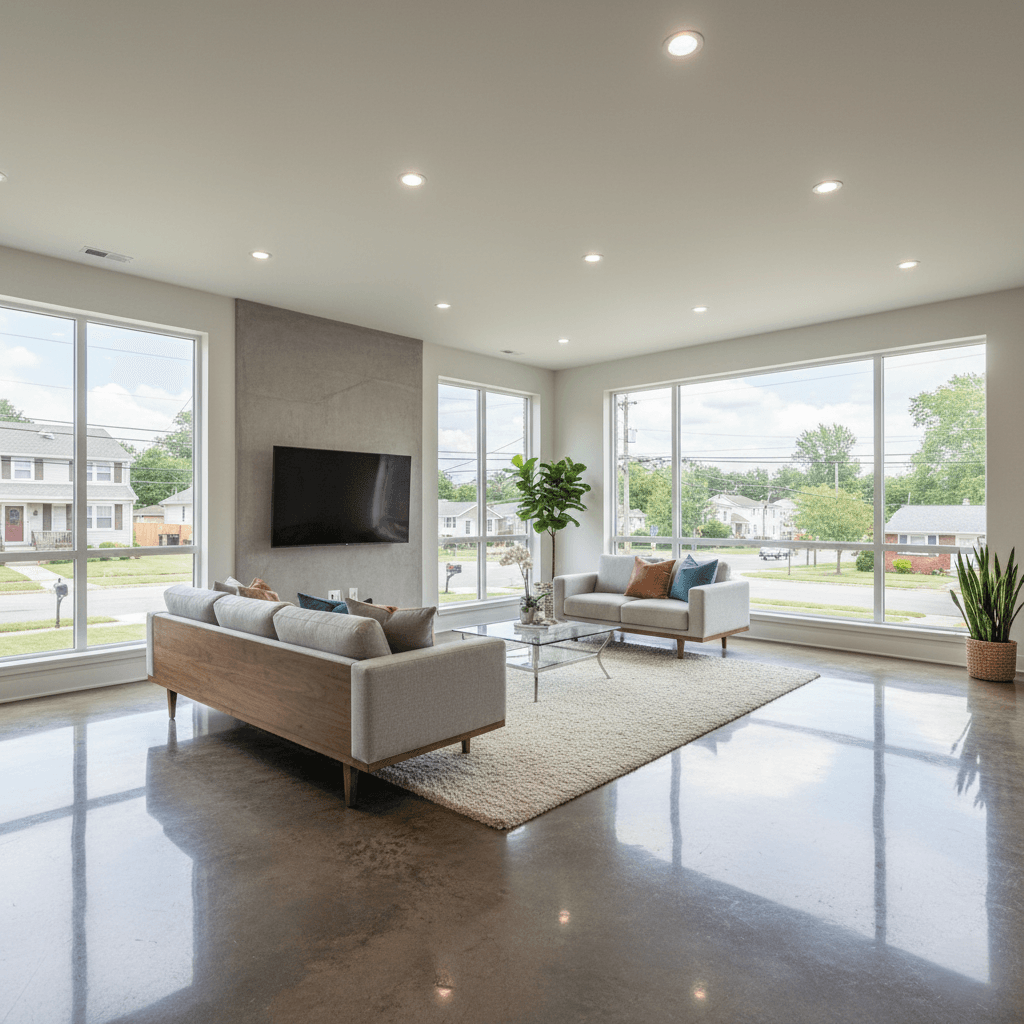
Polished concrete flooring is a rapidly growing trend in modern, durable, and low-maintenance surfaces for homes throughout Paterson. Concrete polished floors have evolved as an alternative to other types of flooring, such as carpeting or tile, by providing a surface that is available immediately and can be easily customized to fit with modern or traditional interior designs. Many of the homes located within walking distance to downtown Paterson’s historic area, and many of the homes surrounding Westside Park, take advantage of the industrial look provided by concrete flooring. Homeowners are able to educate themselves on the pros and cons of polished concrete flooring to help them make an informed decision regarding their investment. A homeowner will require the assistance of a professional installer to complete the installation of a polished concrete floor and to ensure that it meets their expectations for quality and durability.
Advantages of Polished Concrete Floors
Polished concrete has a great deal of durability and will endure for decades without showing much deterioration. It is able to resist damage such as scratches, dents, and cracks caused by heavy use. When properly installed and maintained, polished concrete will typically last for 50 to 100 years with very little needed for maintenance. Because of its inherent strength, polished concrete is suitable for homes with high traffic, as well as homes with pets and/or children. Once polished, the surface should have a hardness level of between 3,000 and 6,000 pounds per square inch when professionally installed.
Very Little Required for Daily Maintenance
Polished concrete requires only a daily sweep and an occasional mop using a pH-neutral cleaner designed for use on concrete surfaces. Polished concrete is non-porous and prevents staining from occurring if a spill is quickly cleaned up. In contrast to hardwood or carpet, polished concrete does not require waxing or refinishing, as it does not experience wear and tear. Compared to other types of flooring, the amount spent on regular maintenance for polished concrete remains relatively low because it does not require frequent cleaning or restoration by a professional. Additionally, the smoothness of polished concrete prevents dust from accumulating and helps eliminate allergens commonly found in carpeted floors.
Cost Competitiveness and Value
The cost of installing polished concrete ranges from $3 to $15 per square foot and is, therefore, comparable to the cost of mid-range to high-end alternatives. If you have an existing concrete slab, utilizing this as a base for your polished concrete will significantly decrease the material costs and the amount of time required for installation in many of the homes located in Paterson. Because of the long life expectancy of polished concrete, there is no need for replacements or repairs as frequently as would occur with other types of flooring. Additionally, the thermal mass properties of polished concrete will help improve energy efficiency by regulating indoor temperatures.
Flexibility and Aesthetics
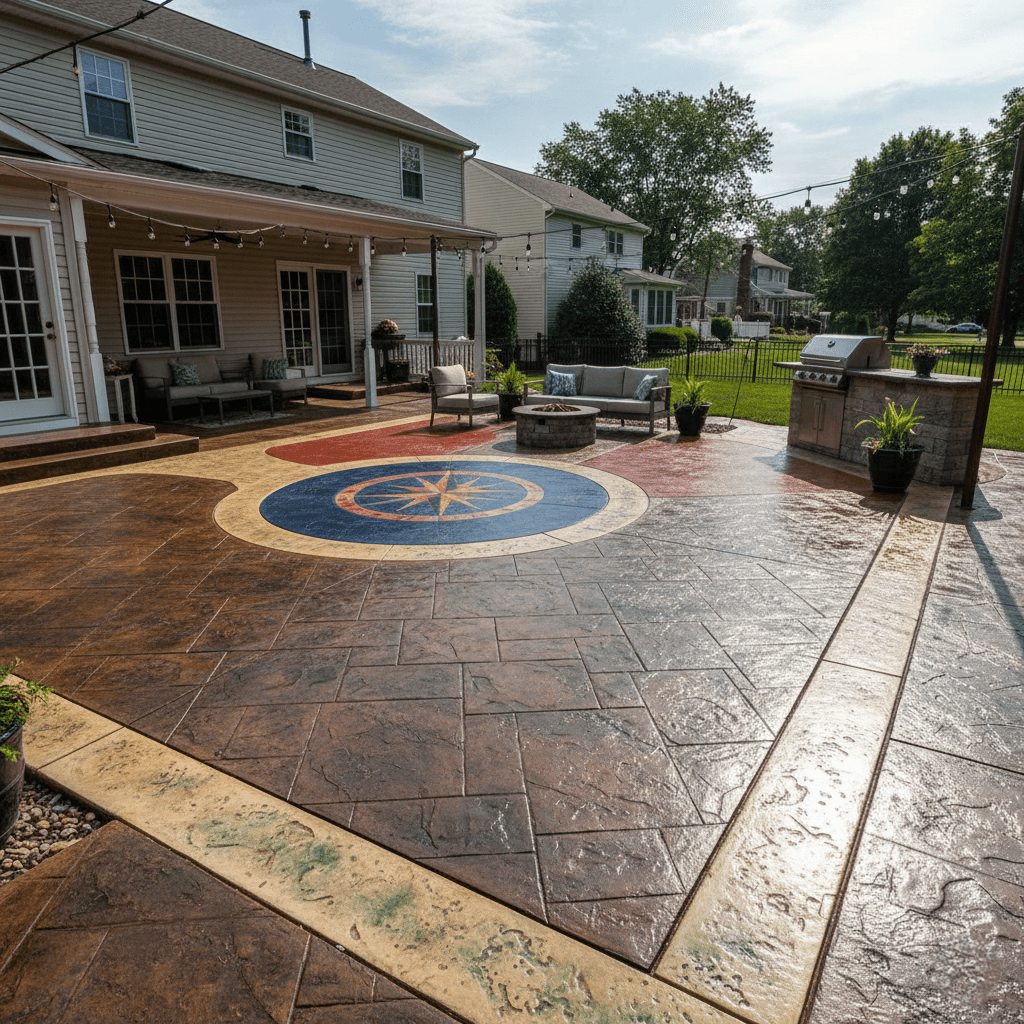
Modern methods of polishing concrete provide various finishes, including from matte to high-gloss finishes. Decorative finishes may also include acid stains, integral colors, and exposing aggregates to produce a variety of designs. The continuous, smooth surface created by polished concrete provides a clean look and helps create a feeling of openness in the common areas of many Paterson homes that feature open floor plans. Also, stamped patterns and colored concrete may mimic the appearance of premium materials (natural stone, tile) at a lower price point. Polished concrete will reflect natural light, thereby decreasing lighting costs.
Benefits to the Environment
Utilizing polished concrete provides several benefits to the environment. First, polishing existing concrete slabs minimizes waste and the negative environmental effects associated with producing new products. Volatile Organic Compounds (VOCs) are produced at a lower rate during the manufacture of concrete compared to VOC-producing synthetic flooring materials. The long life of polished concrete decreases the frequency of replacement and disposal of flooring, both of which are detrimental to the environment. The use of locally sourced concrete materials will minimize the negative environmental impacts resulting from the transportation of these materials to the job site for Paterson residents.
Drawbacks of Polished Concrete Flooring
There are several drawbacks to polished concrete flooring. The first drawback is the lack of cushioning provided by the hard surface of polished concrete. This may result in leg and back fatigue during prolonged periods of standing. Second, falls onto polished concrete surfaces may result in a greater risk of injury to those who fall. Third, the hard surface of polished concrete will cause dropped items to shatter upon impact. Finally, prolonged standing on polished concrete surfaces may lead to discomfort and pain in the joints. Area rugs and mats may help alleviate some of these comfort concerns; however, they do add maintenance responsibilities.
Temperature and Comfort Discomfort
Polished concrete feels cold to the touch, especially during the colder months in Paterson. Radiant floor-heating systems may be used to address temperature-related comfort issues; however, they may increase installation costs by $2 to $5 per square foot. The thermal conductivity that allows for energy-efficient heating also contributes to the cold surface of polished concrete, making it undesirable to walk on bare feet. Humidity levels may also affect how comfortable polished concrete surfaces appear to occupants. Temperature fluctuations throughout the year will necessitate additional heat sources to maintain comfortable bedroom and living space temperatures.
Noise and Acoustics Issues
Because polished concrete is a hard surface, it amplifies all sounds and creates echo chambers in large ceiling-height rooms with limited furniture. All noises associated with footsteps, dropped objects, and furniture movement are louder than similar noises on softer flooring materials. In homes with multiple stories, the transmission of sound to lower floors is increased when polished concrete is used on upper floors. Although acoustic treatment and area rugs may help to reduce the noise level associated with polished concrete flooring, they will add to the overall cost of the project. Due to the lack of softening qualities of polished concrete, open floor plans, a design element becoming increasingly popular in modern homes, may become too noisy.
Installation and Equipment Requirements
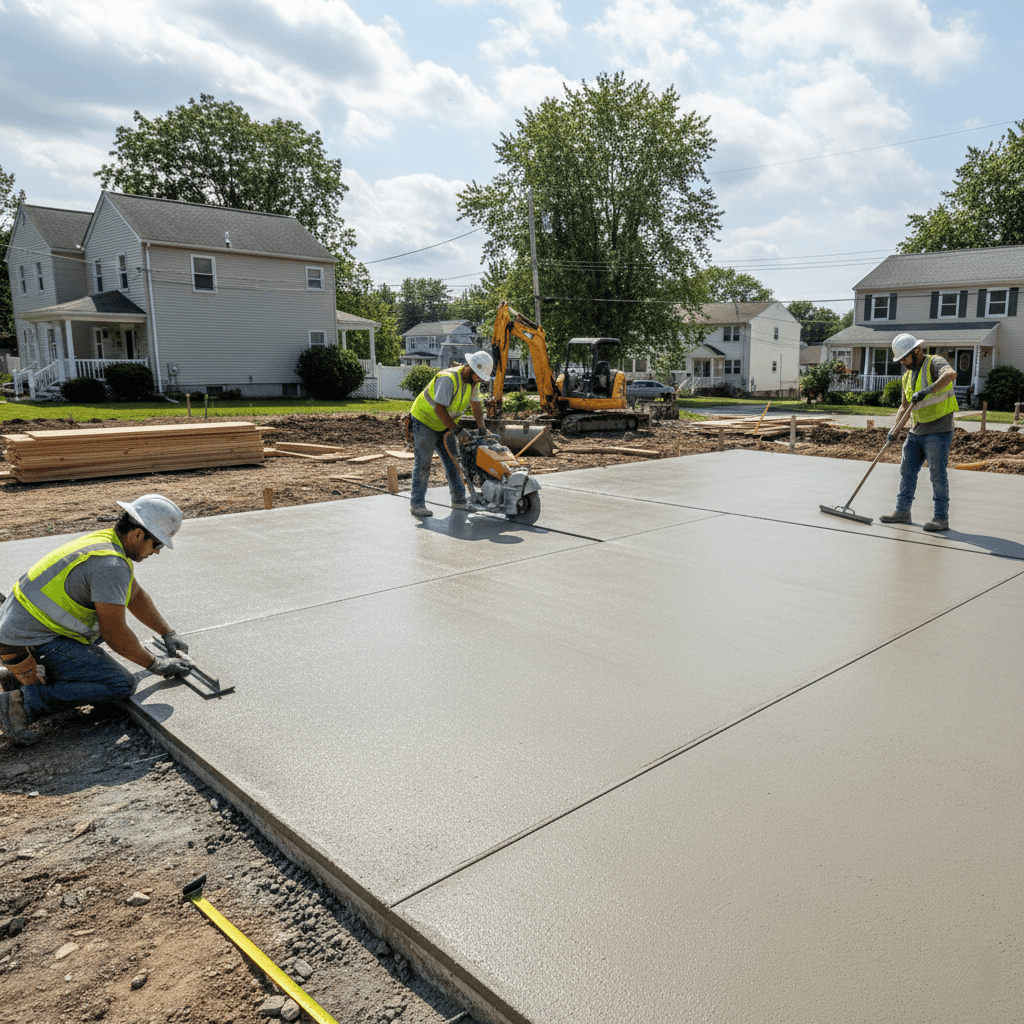
To install polished concrete floors, special equipment and skilled laborers are required to achieve the correct polish levels and finish quality. The condition of the existing concrete slab will directly affect the appearance of the finished product and may require repair or overlay work before polishing. Installation timelines may be longer than expected due to the necessary curing times for the concrete and the multiple grind stages that are necessary to achieve the desired finish quality. During grinding operations, dust control will be essential to prevent airborne particulates from spreading throughout the home. Temporary relocation of furniture and other household belongings may be necessary during the installation of polished concrete flooring.
Existing Concrete Quality and Preparation Requirements
The quality of the existing concrete will have a direct effect on the appearance and durability of the polished concrete flooring. Surface imperfections, such as cracks or stains, may be visible even after polishing and may become a permanent part of the design of the flooring. Moisture problems in basements or ground-floor installations will require the installation of adequate vapor barriers and drainage solutions to prevent moisture damage to the polished concrete. Before installation, structural assessments will be necessary to verify that the existing concrete slab will be able to bear the weight of the polishing equipment and the occupants’ normal usage.
Resealing, Cleaning, and Maintaining Polished Concrete Flooring
Resealing the polished concrete flooring every two to five years will provide a protective coating that preserves the polished appearance of the flooring. Specialized equipment and cleaning agents will be necessary to remove built-up dirt and restore the original luster to the flooring. Prompt cleaning of acidic spills will prevent etching of the polished surface. Scheduling regular maintenance appointments with qualified professionals will prolong the life of the flooring, provide protection against defects and damage, and protect warranty coverage.
Repair and Refinish Options for Polished Concrete Flooring
Scratches and minor damage to the polished concrete surface may be removed during regular maintenance activities. Larger-scale repairs may involve creating custom-colored or pattern-matched areas, which can be time-consuming and expensive. Blending localized refinish areas with surrounding surfaces will provide the best match possible, although slight variations in color and texture may be noticeable. Total refinishing will restore the original appearance of the polished concrete flooring, but it will be a time-consuming and expensive process. Preventing damage to the polished concrete flooring through proper maintenance will greatly reduce the likelihood of requiring extensive repairs or refinishing.
Comparing Costs and Investing in Polished Concrete Flooring
The initial cost of installing polished concrete flooring will be comparable to that of premium hardwood, natural stone, and high-end tile options. The ongoing maintenance costs for polished concrete flooring will be lower due to reduced maintenance and no replacement costs. Installing radiant-heating systems to combat cold floors will add to the initial cost of installation; however, they will provide future energy-saving benefits and improved comfort. Scheduling regular maintenance appointments with professionals every three to five years will be less expensive than the costs associated with refinishing hardwood or replacing worn-out carpets. Many homeowners will find that the added value to their home from a professionally installed polished concrete flooring system will exceed the initial investment costs. Paterson Concrete Works specializes in providing polished concrete flooring services to residential customers in the Paterson area. We understand the unique challenges associated with working in older neighborhoods, and we will develop custom solutions for enhancing your home’s appeal while meeting your functional needs.
LATEST POSTS